















The African country of Sudan has gone through a civil war between the Sudanese Armed Forces and the Rapid Support Forces that has violently torn the country apart since 2023. Over 150,000 people have been killed, 400,000 are suffering as part of famine, and 12 million have fled their cities as a result, per the BBC and NPR. Rapid Support Forces (RSF) soldiers have killed over 60,000 people in the Darfur city of el-Fasher, and over 150,000 residents have gone missing. The massacre has been compared to the Rwandan genocide against the Tutsi people in the 1990s by Hutu ethnonationalist extremists. This is the third civil war this country has faced over its nearly 70-year history.
How did we get here? Since its independence in 1956, Sudan has faced constant periods of political instability, with over 15 military coups. Ethnic and religious tensions between the Muslim-majority northern and the Christian-majority southern regions have fueled the country’s wars, with attempts to introduce Islamization policies further exasperating these sociopolitical issues. The backdrop of the current situation in Sudan began in 1989, when Defense Minister Omar al-Bashir overthrew Prime Minister Sadiq al-Mahdi. He dissolved all political parties, trade unions, and created a new government. He became the fourth president in 1993.
Al-Bashir’s rule was characterized by his use of government-sponsored genocide in Darfur during the 2000s and his increasingly totalitarian abuses of power, slowly abolishing government institutions to consolidate power. Although he had signed a peace deal with the southern rebels, the situation within Darfur continued to worsen following increased war activity in the region, and he used Arab militias known as Janjaweed to crush any active rebels there. The militias turned to mass ethnic cleansing campaigns of non-Arab populations in the country, which led to widespread condemnation and two arrest warrants by the ICC being put out against al-Bashir. By 2018, his power began to wane, as dissatisfied citizens took to the streets in order to protest; although the protests were heavily repressed, he was deposed in a coup the following year.
Following the collapse of al-Bashir’s regime, a power vacuum was created, and two main political entities emerged, the Sudanese Armed Forces (SAF), the country’s main military force, and the Rapid Support Forces (RSF), a paramilitary group derived from the Janjaweed militias. The leaders of these groups, Abdel Fattah al-Burhan and Mohamed Hamdan Dagalo, have been criticized for their treatment of civilians and reliance on aid from Islamist organizations. The RSF has gained notable support from the United Arab Emirates and Russia, who rely on Sudan’s gold supply and aid through its Wagner Group respectively. Other supporters include Libya, Chad, Turkey, Ethiopia, and the Central African Republic. Supporters of the SAF include Ukraine, Russia, Turkey, Ethiopia, Saudi Arabia, Egypt, Iran, Algeria, Eritrea, and Qatar. Over time, increased tension between the two organizations over leadership of the country led to confrontations in the capital of Khartoum in 2023. Later that year, Khamis Abakar, a Darfurian politician, was assassinated by the RSF, and would make further advancements into Darfur, with el-Fasher being the only remaining town in the region. For about a year, the city was under siege as SAF forces defended the city from enemy forces as quality of life and famine worsened.
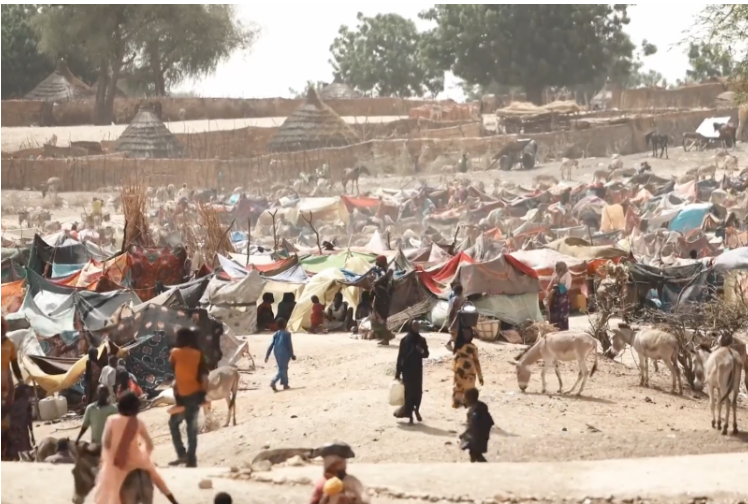
In October 2025, the city fell to the RSF, and a genocidal massacre of non-Arab peoples began. Within months, 68,000 people in the city were killed, and many women were subject to sexual violence from the RSF. Over 652,000 people have since been displaced from the city. Famine has worsened all across Sudan, and towns surrounding el-Fashir are at an augmented risk of starvation, and the situation is just as bad for displaced refugees currently living in camps. 14 million people have been displaced by the conflict, yet so little attention is given to this crisis, and the silence is only helping those who benefit from the disruption and the pain caused by this atrocious war.