



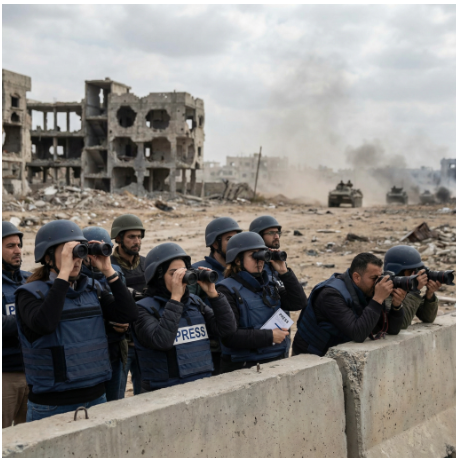









Before becoming data in global reports and faces in the news, families living in conflict zones witness lives filled with fear, unsureness, and perpetual adjustment. In areas affected by conflicts every day life isn’t determined by routine, but by survival. Parents have to come across destroyed building structures, limited supplies, and constant threat, all while trying to protect their kids. According to UNICEF, over 473 million children, and nearly one in five around the world, are living in or leaving conflict zones, which forces families to reinterpret what a usual and typical life even means.
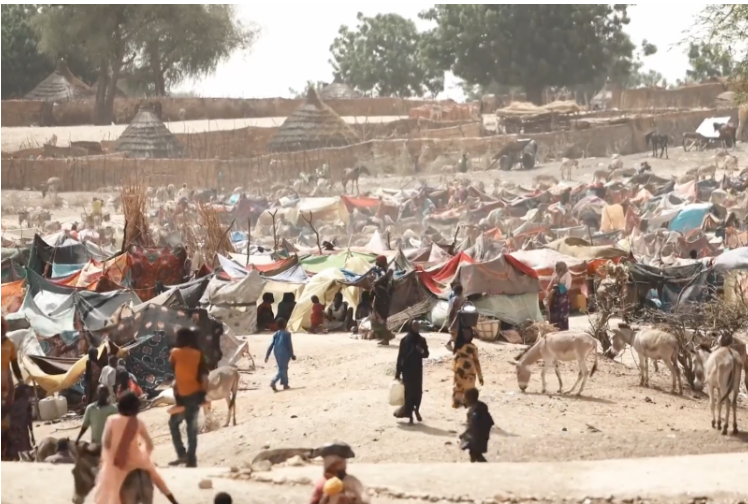
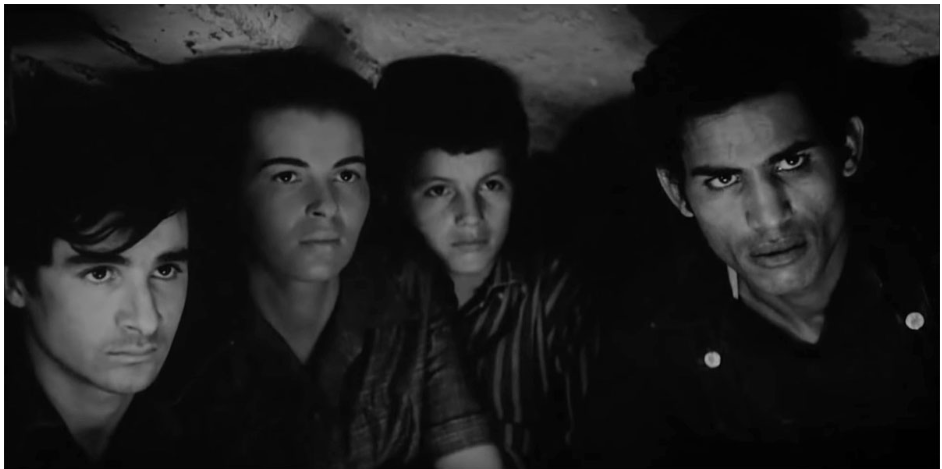
For a good amount of these families, safety becomes the main thing everyday when making a decision. As opposed to calm environments, where routines are expected, life in a conflict zone is formed by uncertainty. Airstrikes, gunshots, and unexpected intensification in violence can happen without any warnings, which forces families to find shelter in an instant. According to reports from International Committee of the Red Cross, lots of civilians are required to live in basements, provisional shelters, or jammed spaces to avoid violence. For children especially analyzing danger becomes second nature, replacing a normal childhood focused on learning and growth.
This disturbance expands deep into education. Schools, which are meant to give organization and occasions, are frequently vandalized, closed, or reused during conflict. According to UNICEF, reports on education in emergencies, millions of children in conflict affected areas witness long lasting interference in their education. Even when education is available, the trip to school can even be dangerous. As an outcome, families are frequently required to choose between being safe and having a chance to succeed. Some try to keep up the learning through casual teaching at home or restricted online access, but electricity and internet that isn’t consistent makes this unreliable. Eventually, these interferences can impact an entire generation in the future, restricting access to different types of careers and safety.
Having access to basic needs also becomes a struggle everyday. Food, water, medical care, which are materials that are frequently taken for granted in stable environments, become uncertain or in short supply. According to United Nations humanitarian reports, conflict damages material chains and critical infrastructure, leaving families depending on assistance that might not always be there. Hospitals are consistently overloaded, forcing people to manage with injuries and sicknesses without any correct treatment. In some areas, deprivation adds another big layer of poverty, specifically affecting children and the elderly.
The experiences of families in conflict zones clearly show an actuality that goes above news headlines and statistics. These aren’t just conflicts that are far away, but human stories of suffering and survival. Understanding everyday life in these situations shows the true result of war, not only in terms of demolition, but in the lives of normal people required to deal with very unusual conditions every single day.